
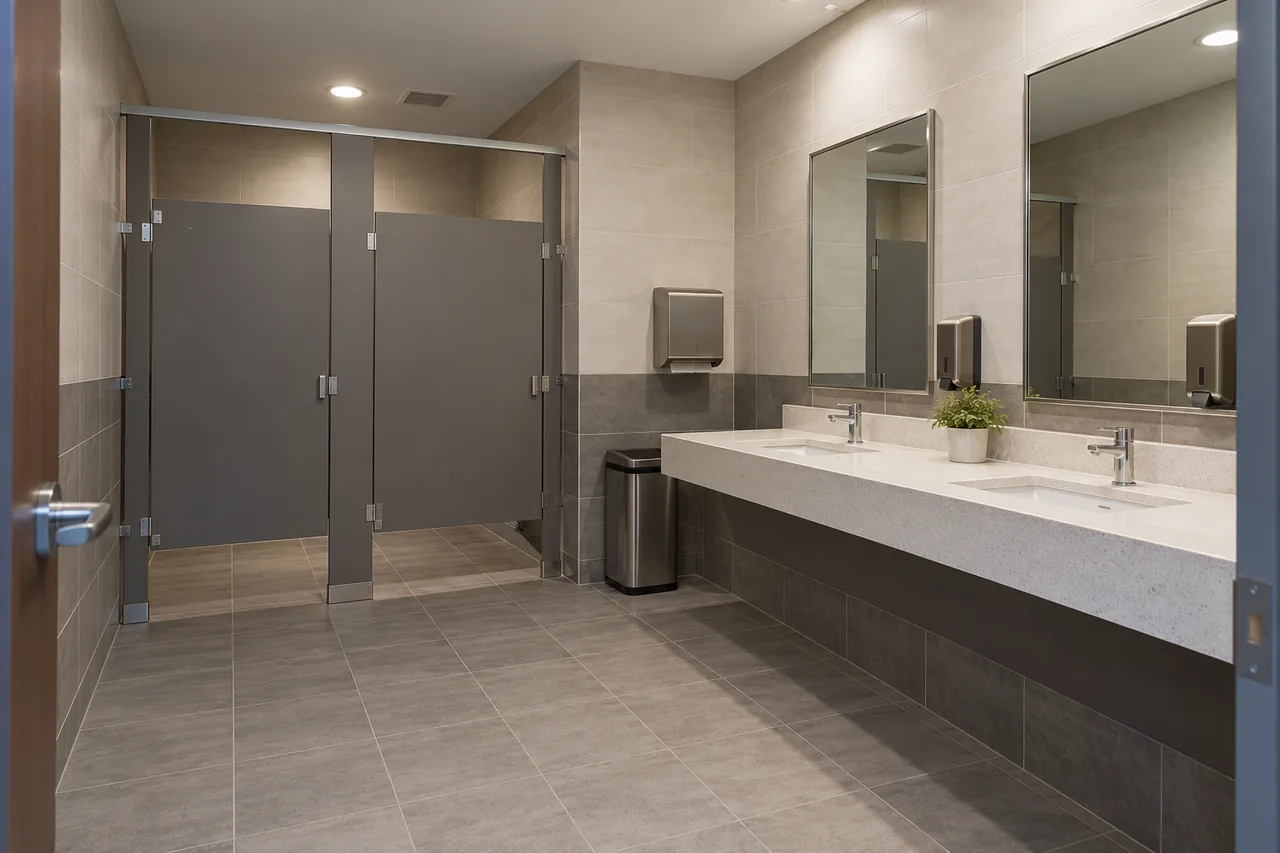
Define the areas before setting a schedule.
Start with restrooms, entryways, breakrooms, work areas and shared circulation spaces. Identify which spaces belong in the contract and which remain the tenant or building team’s responsibility.
Give each task a reason and a frequency.
Traffic, occupancy, surface type and visible soil change the work. A busy restroom and a rarely used meeting room do not automatically need the same attention.
Continue with Scope & frequency.
- Record tasks by area rather than using “general cleaning” alone.
- Separate periodic floor work from routine maintenance.
- Define how holidays and changing occupancy affect the schedule.
Agree how staffing and missed work will be handled.
Ask who supervises the work, how absences are covered and who receives a complaint. Inspections should refer to agreed results so missed tasks can be identified and followed up.
Continue with Quality & missed work.
Put access, supplies and exceptions in writing.
Confirm permitted service windows, equipment storage, alarm handoff and replenishment duties. These details affect whether a proposal is practical as well as its price.
Continue with Supplies & consumables.
Bring useful details to the walkthrough.
Have the building type, approximate cleanable area, existing task list and main frustrations available. Keep actual access codes and sensitive security instructions off the website.
Continue with Walkthrough checklist.
| Area | Question to resolve | Set at walkthrough |
|---|---|---|
| Entry & reception | Mats, surfaces and presentation | Tasks & frequency |
| Restrooms | Usage and supply responsibility | Tasks & replenishment |
| Work areas | Occupied hours and desk boundaries | Access & exceptions |
This illustrates a planning structure, not an approved provider procedure.
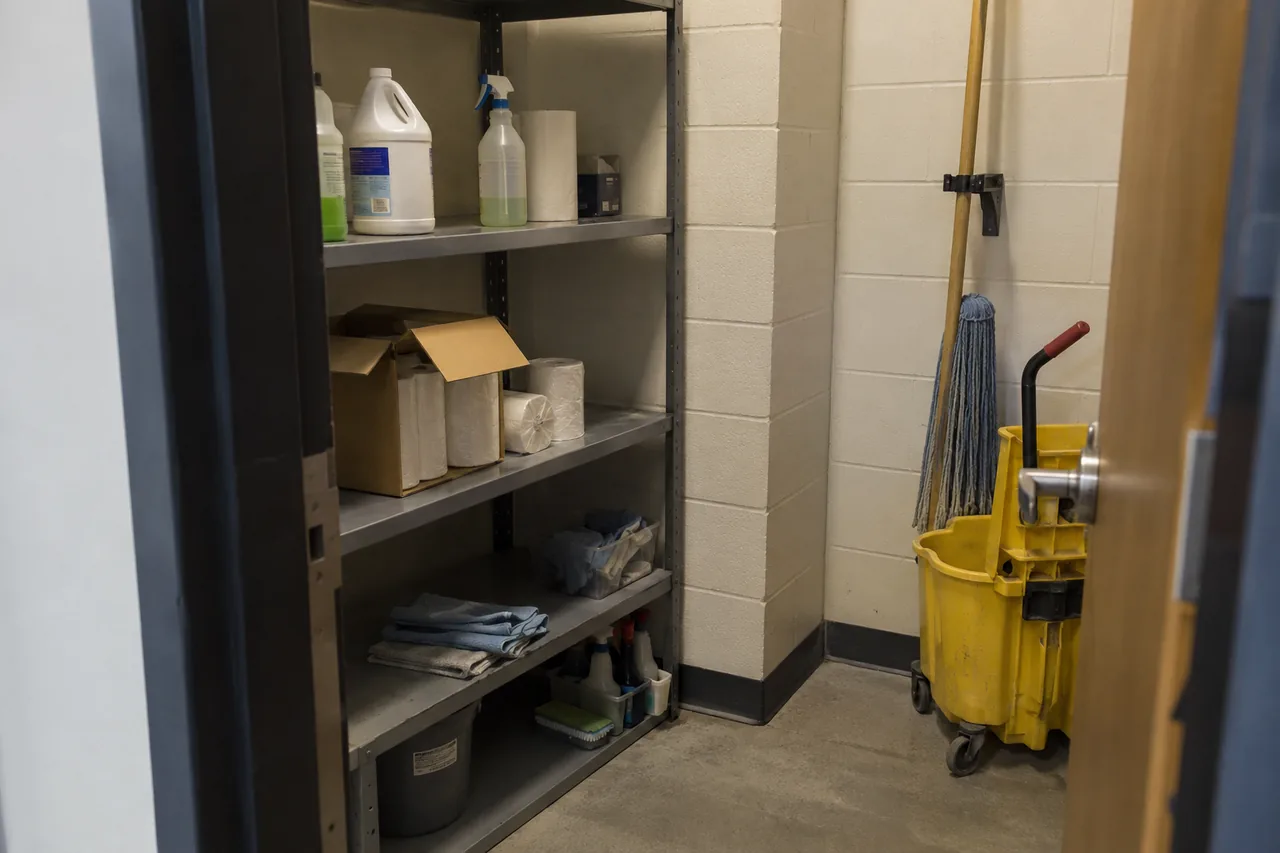
Separate supplies from the task list.
Confirm which products, paper goods and consumables belong in the agreement.