
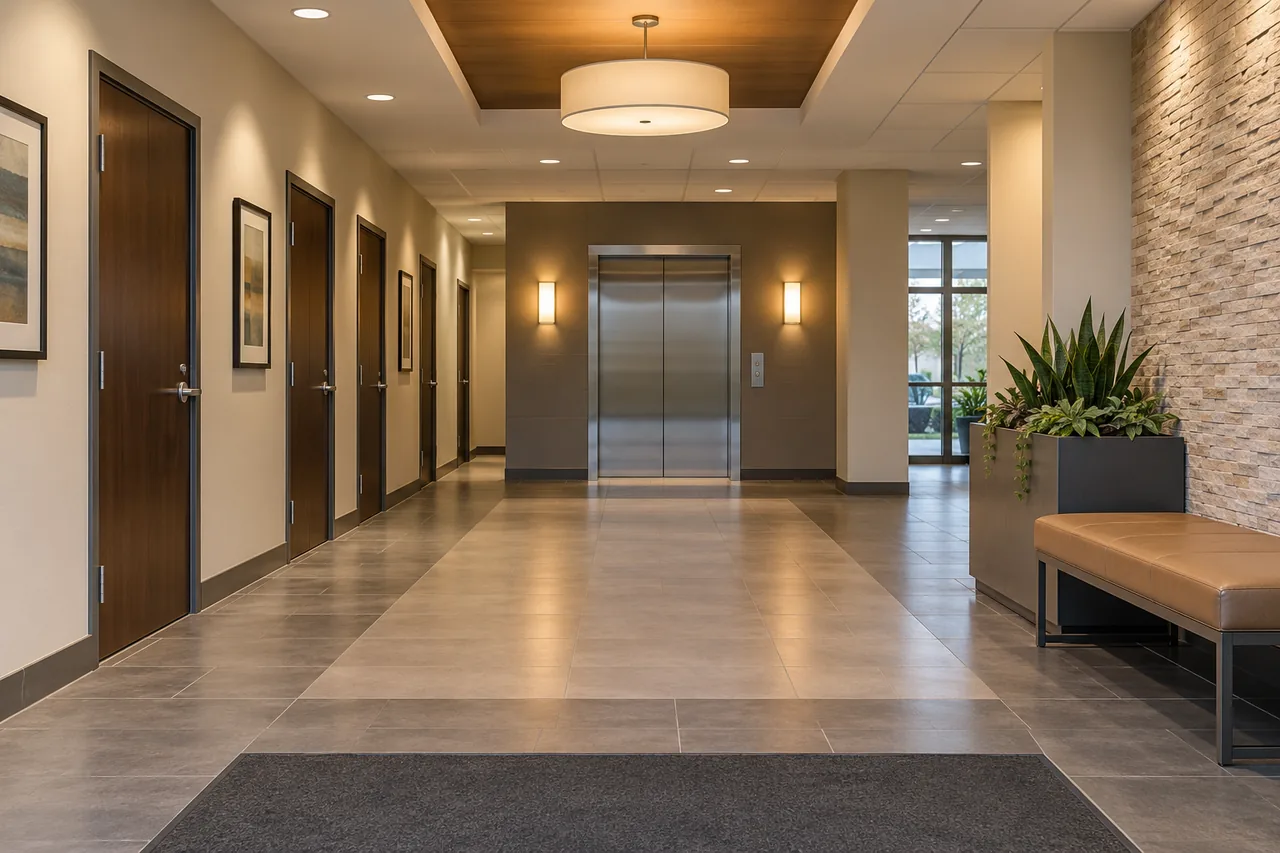
Start with the responsibility boundary.
List lobbies, corridors, stairs, elevators, shared restrooms and tenant spaces separately. A common-area agreement does not automatically include private suites or vacant-unit turnover.
Plan around how people use the property.
Check entry points, deliveries, shared facilities and permitted service windows. Multi-building sites may need separate access and contact records.
Keep vacancy and exceptional work separate.
Identify what happens when a tenant leaves, a space is renovated or an event creates extra work. Agree an approval route for tasks outside the recurring contract.
Continue with Switch providers.
Give issues an owner.
Choose who authorizes changes, receives inspection reports and confirms corrections. Route tenant complaints through an agreed contact.
Continue with Quality & missed work.
Prepare for a controlled handover.
Reconcile keys, equipment, consumables and unresolved issues when changing providers. Confirm existing contract obligations independently.
Continue with Access & security.
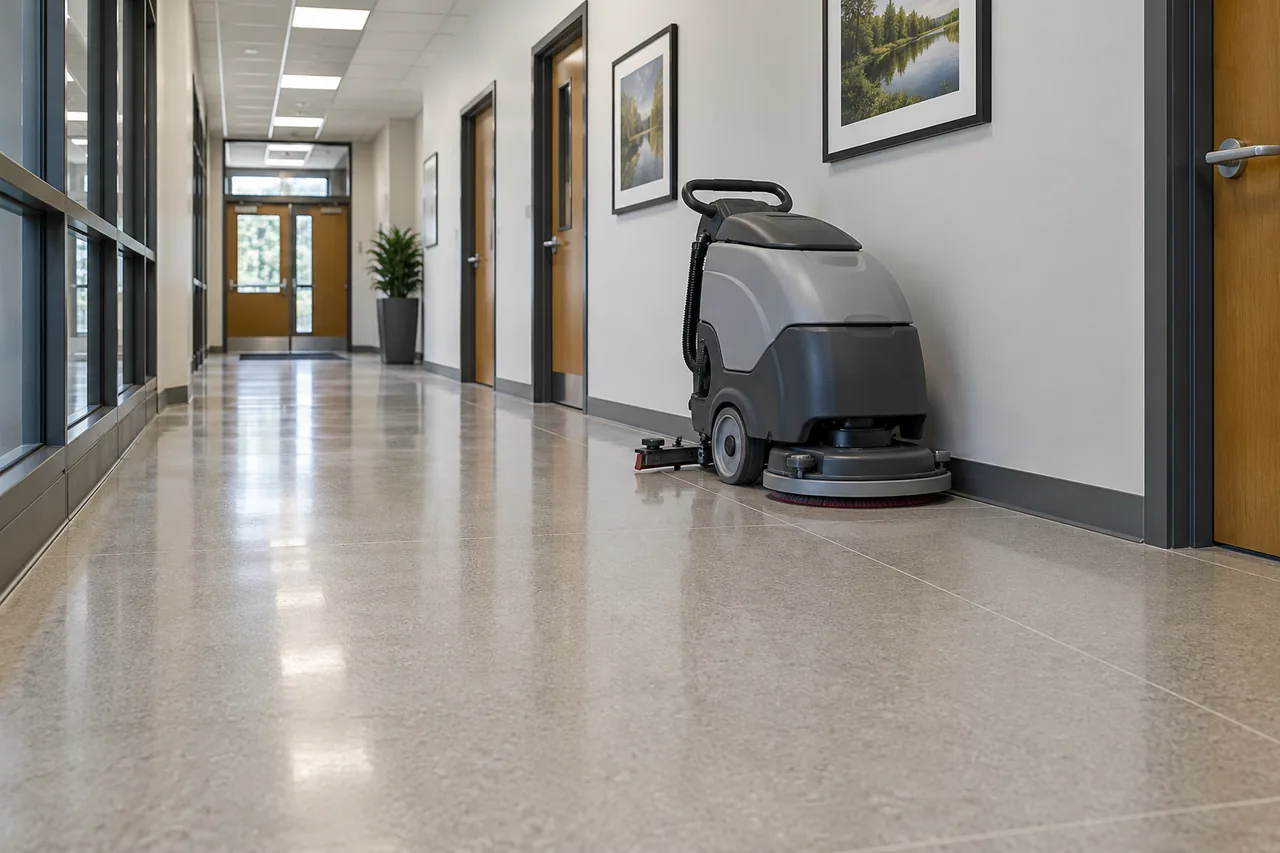
Plan the shared circulation areas.
Discuss entrances, corridors, lifts and the floor surfaces used by more than one tenant.